
Organising
How do you choose the best speaker for your event?
By Jerre Maas · · 3min read
You do not choose a good speaker by name but by your audience. Six questions that help you find a speaker who really fits your event and your room.
People often ask me: "Do you know a good speaker?" My answer is always another question: good for whom? A speaker who silences a room full of directors at a conference can fall completely flat at a staff day. The best speaker does not exist. The best fit does.
These are the questions I ask myself before I put anyone forward.
1. What should the audience think or do differently afterwards?
Start at the end. Write down in one sentence what the room should take home. "A better feel for our customers." "Some appetite for the new direction." "An evening of laughter after a hard year." That sentence decides what kind of speaker you need. If you want insight, look for an expert with a story. If you want energy, look for someone who gets the room involved. If you cannot write that sentence yet, the speaker is not your problem yet.
2. Who is in the room?
How big is the group, what do they already know and how much do they want to be there? A room full of peers wants depth and switches off at the obvious. A mixed crowd at an anniversary wants recognition. A compulsory session at half past three asks for something very different from an evening programme with drinks.
3. Which role do you actually need?
Many organisers look for a speaker when what they need is an event chair, a moderator or a workshop leader. In short: a speaker brings their own story. An event chair or moderator leads the conversation between others. A facilitator or quizmaster puts the audience to work. Speak, Host or Engage explains the difference in more detail.
4. Does the story fit your theme, or just the name?
A famous name draws sign-ups. But what does that person actually talk about, and what does it have to do with your day? Ask for the core of the story in three sentences. Ask whether the speaker is willing to link it to your organisation or sector. The best speakers are often not the best known. They have lived through or worked out something your audience has not heard yet.
5. How do they come across on stage?
A CV says little about how someone takes a room with them. Watch a video, ideally of a real audience rather than a studio recording. Look for a few things. Do they stay in touch with the room? Are they comfortable with a pause? Does the talk fit the time? Many profiles on this platform have a short pitch video. Read the reviews from previous organisers too.
6. What is your budget, and what does it cover?
Mention your budget straight away in your request. It saves everyone time. Ask what the fee includes: a briefing call, tailoring, travel. What does a speaker or event chair cost? shows the real starting fees on this platform.
The first call
Got two or three names? Call them. Fifteen minutes is enough. Ask these questions:
- What do you already know about our sector, and what would you like to know?
- How will you adapt your talk to this audience?
- What do you need from us to do it well?
- How long would you like to speak, and do you want time for questions?
Pay most attention to the questions the speaker asks you. Someone who is curious about your audience usually prepares well too. Someone who starts straight away about their own talk often delivers a standard one.
Mistakes I see a lot
- Choosing on name and only then deciding what the speaker should do.
- Briefing the speaker a week before the event.
- Not agreeing on timings, then being surprised when it overruns.
- Forgetting to say what happens just before and after the session.
Help with choosing
Describe your event at Help me choose for my event. You get three names who are really on this platform, with an explanation of why they fit. Or search by topic, region and budget on all speakers.
Frequently asked questions
- How do I choose a good speaker for my event?
- Start with what the audience should know or do afterwards. Then choose the role: speaker, event chair or workshop leader. Watch a video of a real audience and have a short first call.
- Should I choose a well-known speaker?
- Not necessarily. A famous name helps sign-ups, but what counts is whether the story fits your audience. Lesser-known speakers often have more room for tailoring.
- What should I ask in the first call?
- Ask what the speaker already knows about your sector, how they will adapt the talk to your room, what they need from you and how long they would like to speak.
Read more
9 November 2026
· Jerre MaasOrganisingHow long should a good keynote be?
Most keynotes last 20 to 45 minutes. What decides the right length, why shorter often works better and how to plan time for questions from the audience.
3 min read
25 October 2026
· Jerre MaasOrganisingBooking a speaker with or without a speaker agency: the differences
Book a speaker through an agency or directly? What you get, what you pay and when each route fits better.
2 min read
25 October 2026
· Jerre MaasOrganisingWhat does a speaker or event chair cost? An honest price guide
What do you pay for a speaker or event chair? The real starting fees on this platform, what makes the difference and how to ask.
2 min read
Speakers who talk about this
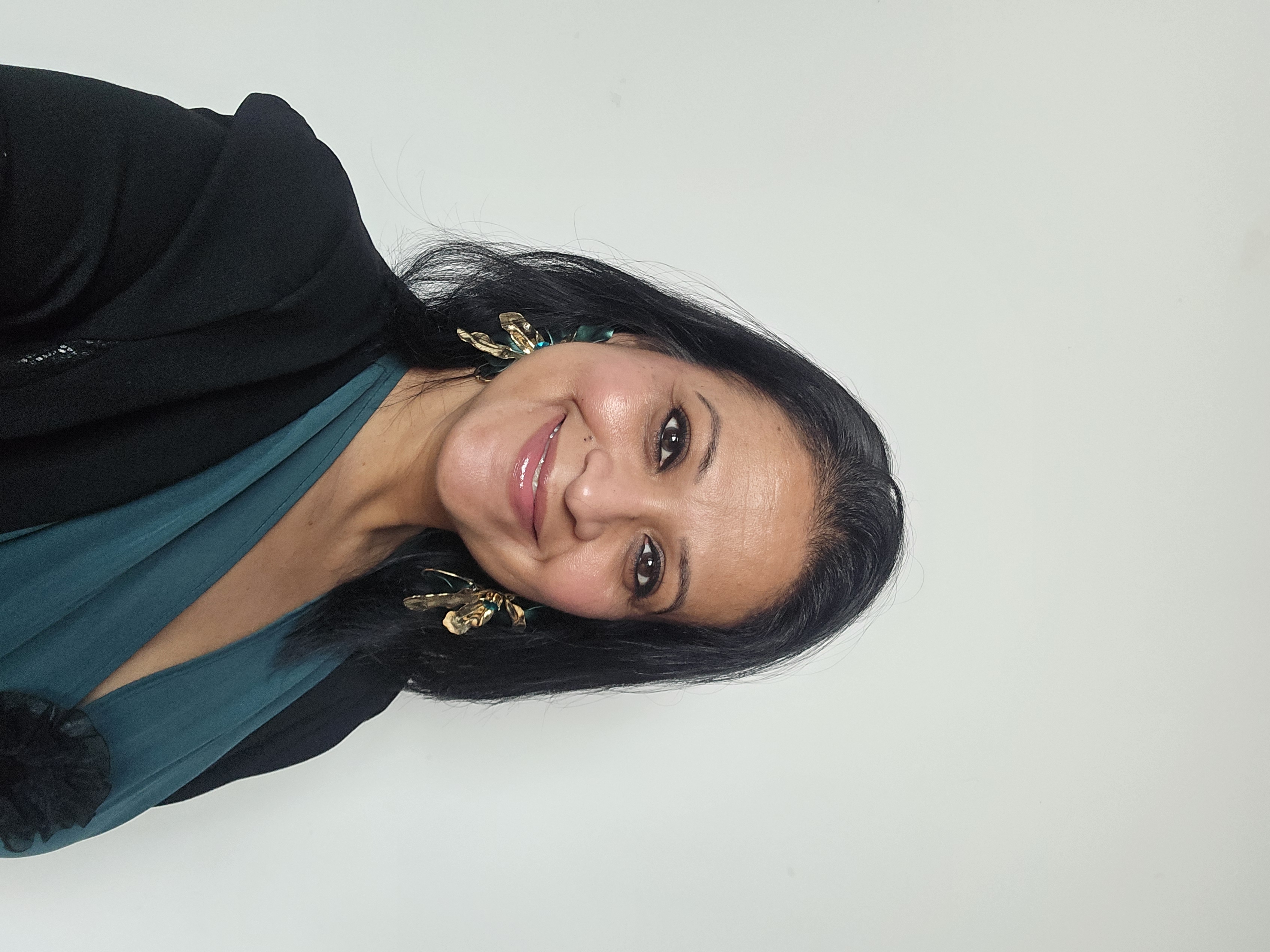
Alison Sof
Integrative therapist, coach and speaker
Presents in Dutch
South Holland · Speak, Host, Engage · Personal growth, Health and vitality
From € 500 per half-day, excluding VAT

Mark Huis in 't Veld | That Guy in Blue
Perfection is overrated! With humour, energy and surprising interaction, Mark shows how imperfection can make an impact.
Presents in English and Dutch
Across the Netherlands · Speak, Host, Engage · Communication and presentation, Storytelling
From € 1,750 per half-day, excluding VAT
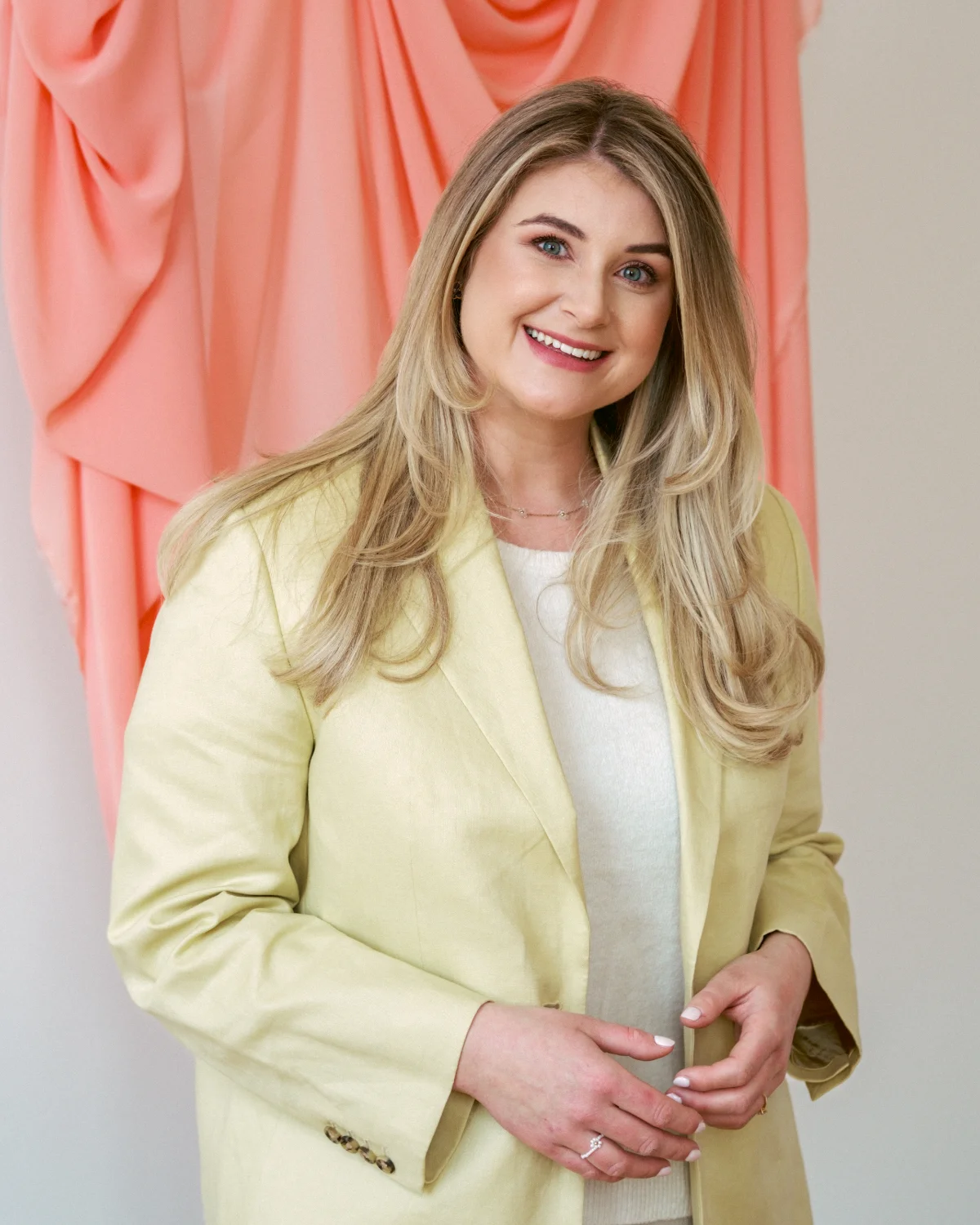
Stevanne van der Velden
Speaker, leadership coach and founder of The Boundaries Bootcamp. Inspires women to take charge and stand up for their boundaries.
Presents in English and Dutch
Across the Netherlands · Speak, Host, Engage · Personal growth, Change and culture
Fee on request