Presenting
Persuading in a debate: tips from years of debate training
ByJerre Maas · · last updated · 3min read
Debating and persuading are skills you learn through practice. Lessons from years of debate training: choose one or three arguments, listen carefully and persuade the jury.
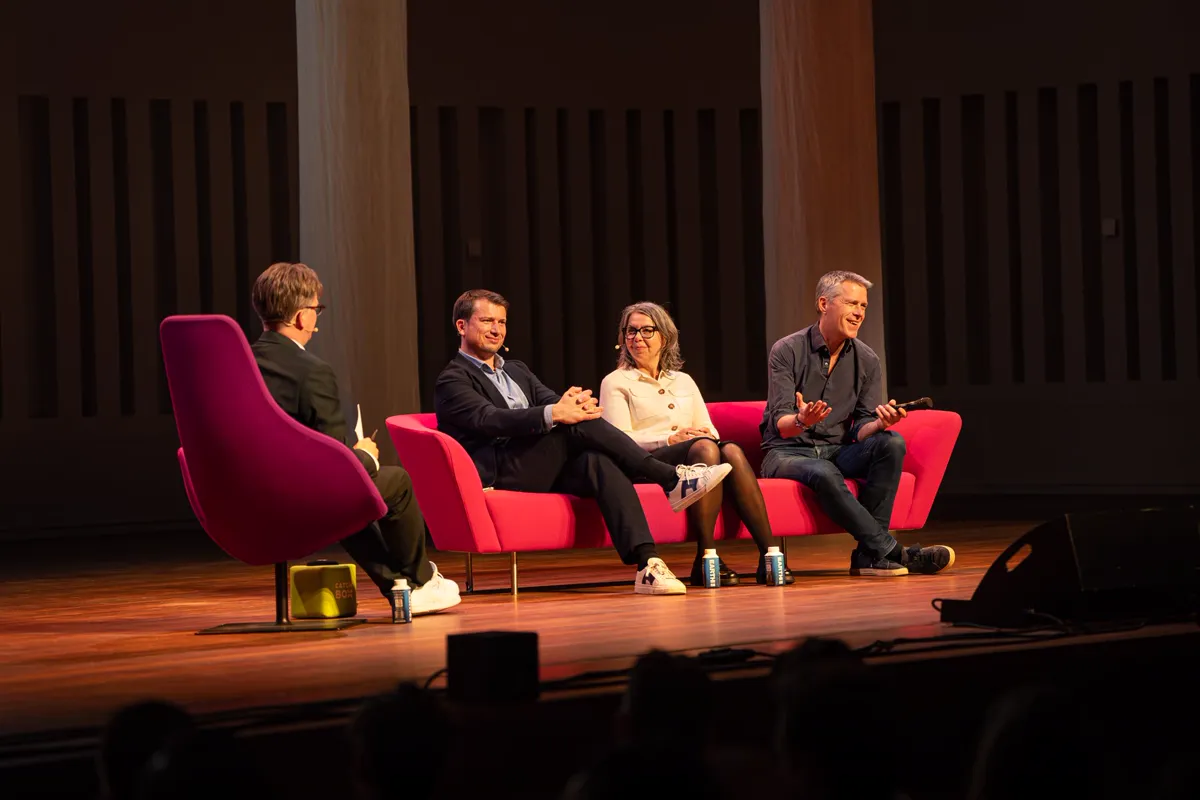
For years, I trained students from vocational, higher professional and university education in debating with Rudy van Beurden, including for the Brabant Entrepreneurship Debate. I still use what I learned there as a moderator. It helps me keep a conversation focused, and recognise when someone is persuading a room and when they are only persuading themselves.
A debate is not a discussion
In a discussion, you try to persuade the other person. In a debate, you persuade a third party: a jury or an audience. That changes everything. You do not have to change your opponent's mind, you have to bring the people watching along with you. And you argue the point, never attack the person.
One or three arguments
People do not remember much. Choose one strong argument or, at most, three. Put your strongest argument at the beginning or the end, where it is most likely to stick.
Build your argument
A handy mnemonic: state, explain, illustrate. Make your point, explain why it is right and make it concrete with an example people can relate to. A personal story or a short anecdote often does more than a list of figures.
Listen, summarise, ask follow-up questions
Good debating starts with listening. Fairly summarise the other person's point before you respond. It shows that you understand it, and stops you fighting a straw man: a weakened version of the argument that is easier to refute.
The judo tactic
Agree with your opponent where they are right, then use that point to support your own position. It comes across more strongly than denying everything. Aggression tends to backfire with most juries.
Avoid fallacies
Attacking the person, appealing to pity, “it’s on the internet, so it must be true”: an attentive audience will see through it. You might get a laugh, but you will lose the jury.
The most common mistake
The mistake I saw most often in beginner debaters was trying to say too much. They come up with six arguments and fail to explain any of them well. A jury might remember one afterwards, and not always the strongest one. The person who chooses almost always wins over the person who wants to mention everything.
How to prepare
- Write down all your arguments, then choose one or three.
- Develop each argument you have chosen using state, explain, illustrate.
- Think of the other side’s strongest argument and how you would summarise it fairly.
- Decide where to agree with your opponent and how to use that point to support your own position.
- Practise out loud with a motion and two minutes of speaking time.
Practise
You learn to debate by doing it. Start small, with a motion and two minutes of speaking time. Afterwards, ask for feedback from someone who focuses only on your words, and someone who focuses only on your body language.
What this means for the client
A debate at a conference or in the council chamber only works if someone keeps the rules. A debate chair manages speaking time, asks incisive questions and ensures everyone gets a fair share. A moderator is more likely to lead a panel or a discussion with an audience, where winning matters less. Read about the difference in the article on event chair, moderator, debate chair and presenter.
For those who want to stand out as a debate chair
As a lesser-known debate chair, you can stand out through preparation. Know both sides’ arguments so you can ask follow-up questions where the disagreement lies. An audience remembers a debate where ideas were genuinely exchanged, and the client remembers who made it possible.
Frequently asked questions
- What is the difference between a debate and a discussion?
- In a discussion, you try to persuade the other person. In a debate, you persuade a third party, such as a jury or an audience.
- How many arguments do you use in a debate?
- One strong argument or, at most, three. Put the strongest one at the beginning or the end.
- What is the judo tactic in a debate?
- Agreeing with your opponent where they are right, then using that point to support your own position.
An earlier version of this article was published onjerremaas.nl. Gebaseerd op het e-boek "Debatvaardigheden voor studenten" van Jerre Maas en Rudy van Beurden (Presensatie, 2013). Herschreven in 2026.
Read more
7 September 2026
· Jerre MaasPsychologyGroup pressure in the room: why anonymous voting helps
The Asch experiment shows how strong group pressure can be. That is why I often ask an audience to vote anonymously first, so you can hear what people really think.
2 min read

12 October 2026
· Jerre MaasOrganisingSpeak, Host or Engage: which role fits your event?
What does an event chair, moderator, debate chair or presenter do, and which do you need? A practical guide with a comparison table and help choosing.
6 min read
9 October 2026
· Jerre MaasPresentingHolding your audience’s attention during a presentation
Holding an audience’s attention during a presentation takes variety, not tricks. Here’s how I switch between doing, watching, talking and quiet reflection.
4 min read