Organising
What does an event chair do? How it works
By Jerre Maas · · 3min read
An event chair opens and closes your event, keeps time and connects speakers with the room. What the job involves, what to arrange first and when you need one.
An event chair carries your programme from start to finish. They open the day, introduce speakers, keep time, involve the audience and close with what was said. When it goes well, you mostly notice the event chair in the pacing. The day feels like one whole rather than a row of separate talks.
I do this work myself. Below is what it involves, what to arrange beforehand and when someone else is the better choice.
The tasks on the day
- Opening. Welcoming the room, explaining why everyone is there and what the day will bring. The first few minutes set the tone.
- Introducing speakers. No reading out a CV. Instead, explaining why this speaker is on stage now and what the audience can expect.
- Connecting. Drawing a line from one session to the next. What did the previous speaker say that comes back now?
- Involving the audience. Asking questions, putting a statement to the room, taking the microphone into the audience. And asking the question nobody dares to ask out loud.
- Keeping time. Absorbing overruns, getting a speaker to finish on time and adjusting the programme when something shifts.
- Closing. Summing up what was said and what participants take away. A strong ending stays with people longest.
The work beforehand
Most of the work happens before the day. Allow for one or two planning calls with the organisers, contact with the speakers and a running order. For a full day, half a day to a full day of preparation is normal. The planning call covers these points:
- The goal of the day. What should participants know or do differently afterwards?
- The audience. Who will be in the room, and what is going on in the organisation or the sector?
- The programme. Which speakers, which formats, where are the breaks?
- The sensitive points. Are there topics that cause tension, or people you do or do not want to give the floor to?
- The technology. Microphones, slides, any livestream and who is behind the controls.
I would not book an event chair who does not want a planning call.
Event chair, moderator or presenter?
The roles look alike, but they are not the same. An event chair carries the whole day and keeps the main thread clear. A moderator leads one discussion or session, such as a panel. A presenter carries a set format, such as an awards ceremony or livestream, and mainly looks after the show. Read more in the difference between an event chair, moderator, debate leader and presenter.
| Role | Carries | Typical occasion |
|---|---|---|
| Event chair | The whole programme | Conference, study day, annual meeting |
| Moderator | One discussion or session | Panel, Q&A, expert session |
| Presenter | A set format | Awards, gala, livestream |
When do you need an event chair?
An event chair pays off as soon as your programme has several parts: a few speakers, a panel, a working session. Without someone looking after the whole, such a day quickly feels like separate blocks. If you have one speaker at a team evening, you often do not need an event chair. Someone from the organisation who opens and closes will do.
Not sure how to build your day? Read Variety in your programme.
How much does an event chair cost?
You agree that directly with the event chair. On this platform, event chairs set their own starting fee, per half day or per day. The range is in How much does a speaker or event chair cost?. The platform charges no fee and no commission.
What to look for when choosing
- Ask about events similar to yours, in audience and subject.
- Watch a clip if there is one. Notice how someone reacts when something unexpected happens.
- In the introductory call, pay attention to the questions the event chair asks you. Good questions say more than a polished story about themselves.
View event chairs on the platform or describe your event at Help me choose for my event.
Frequently asked questions
- What does an event chair do?
- An event chair opens and closes the event, introduces speakers, keeps time, involves the audience and sums up. The aim is for the day to feel like one whole.
- What is the difference between an event chair and a moderator?
- An event chair carries the whole programme. A moderator leads one discussion or session, such as a panel or an audience Q&A.
- How much preparation does an event chair need?
- Allow for one or two planning calls, contact with the speakers and a running order. For a full day, half a day to a full day of preparation is normal.
Read more
12 October 2026
· Jerre MaasOrganisingSpeak, Host or Engage: which role fits your event?
What does an event chair, moderator, debate chair or presenter do, and which do you need? A practical guide with a comparison table and help choosing.
6 min read
9 November 2026
· Jerre MaasOrganisingVariety in your programme: keynote, interview, panel or Q&A
Four keynotes in a row will not keep a room awake. How to mix keynote, interview, panel, Q&A and hands-on formats, with an example of a full conference day.
4 min read
9 November 2026
· Jerre MaasOrganisingHow long should a good keynote be?
Most keynotes last 20 to 45 minutes. What decides the right length, why shorter often works better and how to plan time for questions from the audience.
3 min read
Speakers who talk about this
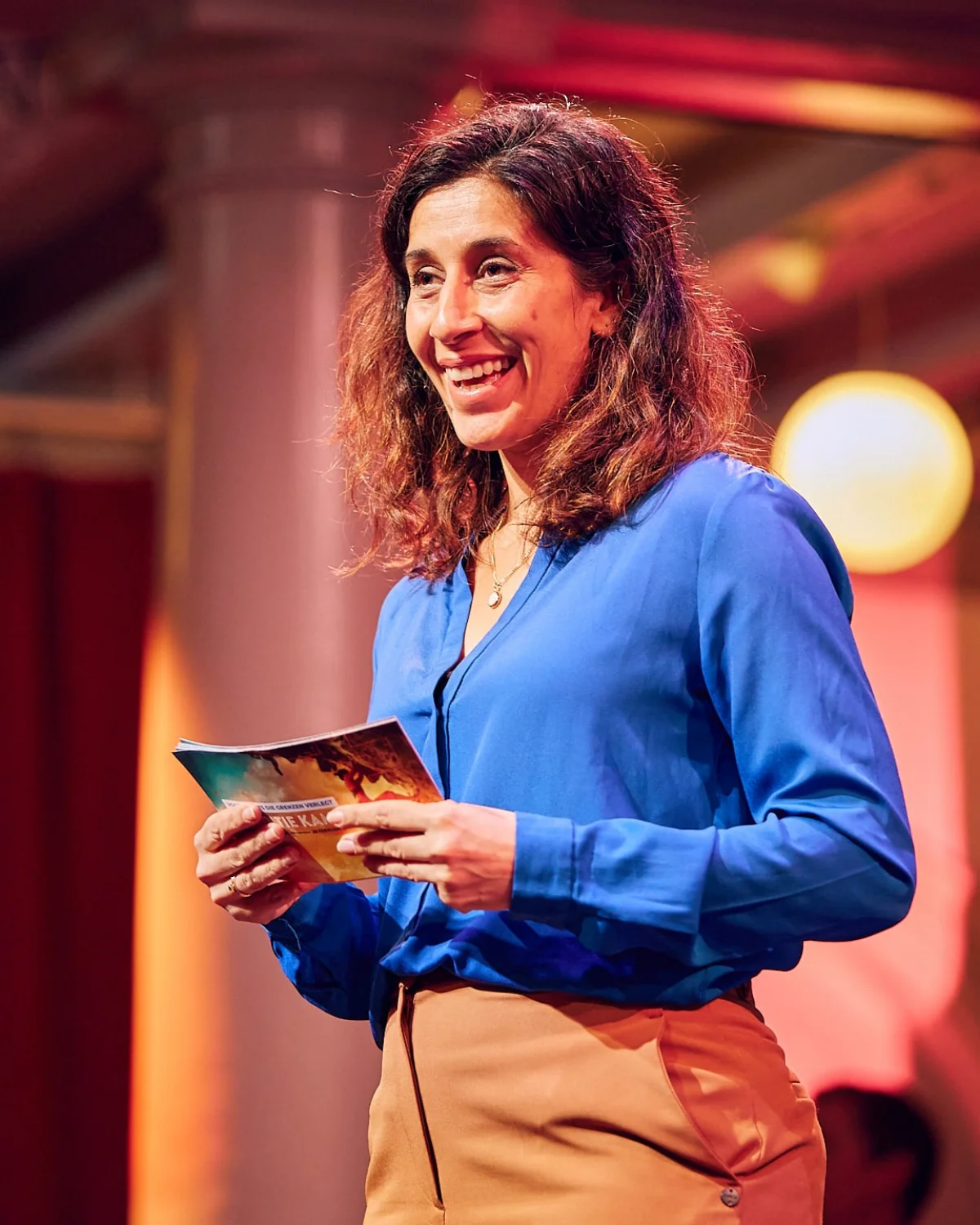
Tamara MarkusWith a pitch video
A knowledgeable, empathetic event chair who brings calm, connection and focus to every event.
Presents in English and Dutch
Across the Netherlands · Host, Engage · Interaction and audience engagement, Communication and presentation
From € 2,500 per half-day, excluding VAT

Mark Huis in 't Veld | That Guy in Blue
Perfection is overrated! With humour, energy and surprising interaction, Mark shows how imperfection can make an impact.
Presents in English and Dutch
Across the Netherlands · Speak, Host, Engage · Communication and presentation, Storytelling
From € 1,750 per half-day, excluding VAT
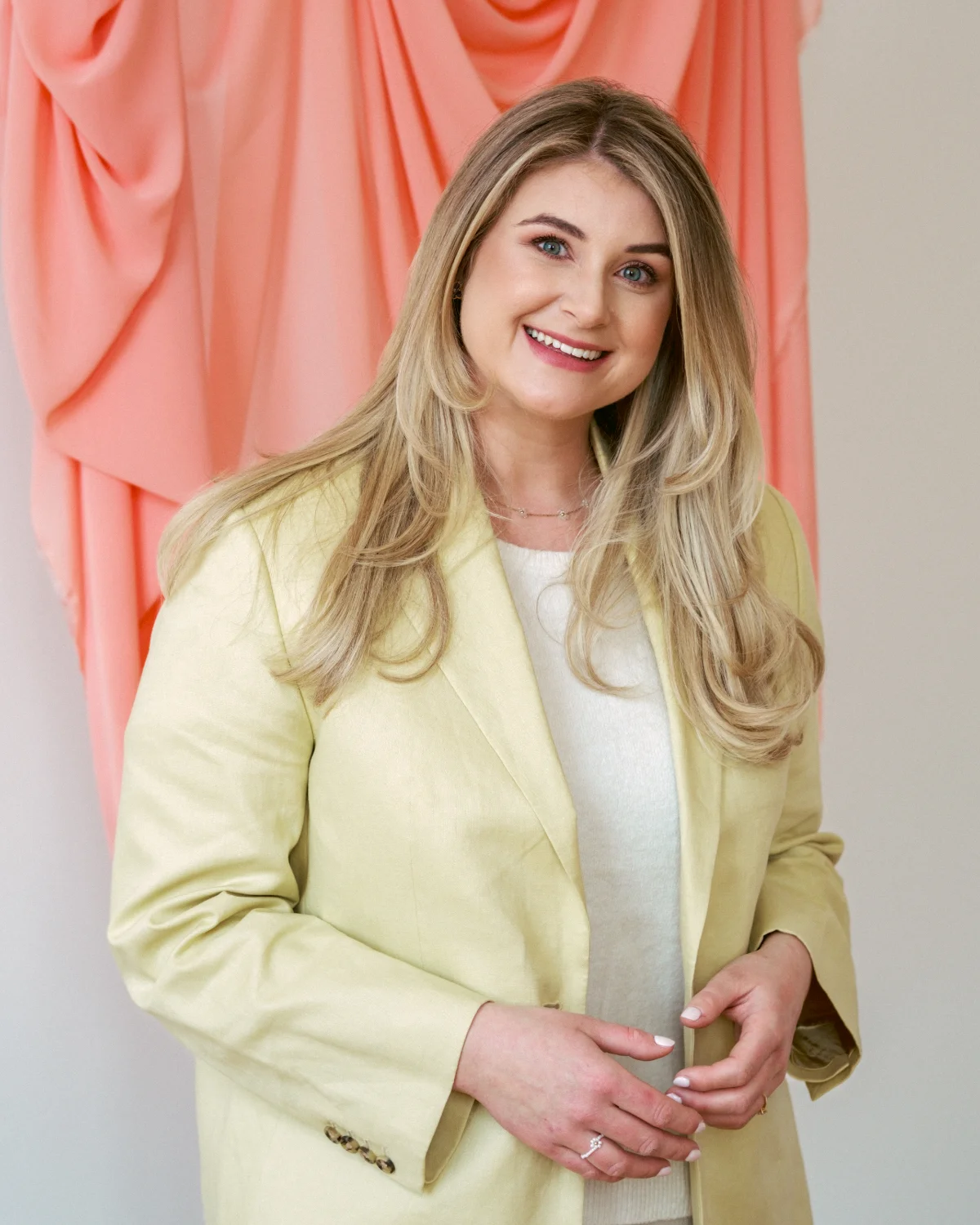
Stevanne van der Velden
Speaker, leadership coach and founder of The Boundaries Bootcamp. Inspires women to take charge and stand up for their boundaries.
Presents in English and Dutch
Across the Netherlands · Speak, Host, Engage · Personal growth, Change and culture
Fee on request