Organising
Variety in your programme: keynote, interview, panel or Q&A
By Jerre Maas · · 3min read
Four keynotes in a row will not keep a room awake. How to mix keynote, interview, panel, Q&A and hands-on formats, with an example of a full conference day.
A programme I often come across as an event chair: opening, keynote, keynote, break, keynote, keynote, drinks. Four good speakers, and still the room is slumped in its seats by three o'clock. That is rarely the speakers' fault. It is the rhythm.
Varying the format keeps people's attention. Below are the formats I use most, what they are good for and how to combine them.
The formats at a glance
| Format | What the audience does | Good for | Length |
|---|---|---|---|
| Keynote | Listens to one story | Setting the tone, inspiring | 20 to 45 min |
| On-stage interview | Listens in on a conversation | Personal stories, guests who are not speakers | 15 to 25 min |
| Panel discussion | Hears different views | A question from several angles | 25 to 40 min |
| Q&A with the room | Asks questions | Going deeper after a keynote | 10 to 20 min |
| Debate with statements | Takes a position | Making disagreement visible | 20 to 30 min |
| Working session or workshop | Gets to work | Applying ideas to their own work | 45 to 90 min |
| Quiz | Joins in and laughs | Energy, testing knowledge in a playful way | 15 to 30 min |
Keynote
The keynote sets the tone. At the start of the day it gives everyone the same starting point. At the end it gives the room something to take home. You rarely need more than two keynotes in a day. How long a good keynote should be is covered in How long should a good keynote be?
On-stage interview
An underused format. Plenty of experts, directors and colleagues with a great story are not natural speakers. In a conversation they tell it well. An interviewer asks the questions the room would like to ask. Prepare it together, but do not script it. Three themes and an opening question are enough.
An interview also works straight after a keynote. The event chair asks the speaker two or three questions that link the talk to your organisation. That way the story lands in everyday practice.
Panel discussion
A panel only works if the guests genuinely disagree. Four people who agree with each other is not a conversation. Keep it to three or four guests and choose a moderator who dares to probe and interrupt. Do not let panellists give their own presentations. It turns into a row of mini keynotes.
Q&A with the room
A Q&A often falls silent because nobody wants to go first. There are a few ways round that. Collect questions in advance. Let the room ask anonymously, on paper or by phone. Or have the event chair open with a question of their own. The paper-ball Q&A is a simple format that needs no technology.
Debate with statements
Statements, picking a side, short rounds. A debate gets the room moving and shows where people disagree. It needs a debate leader who keeps the pace up and makes sure the quieter side gets a say too.
Getting to work
Listening is hardest after lunch. That is the moment for a working session, a workshop or a quiz. The audience does something themselves, energy goes up and what they apply, they remember better.
A sample programme
A conference day from half past nine to three, with seven different formats:
| Time | Item |
|---|---|
| 09.30 | Opening by the event chair |
| 09.40 | Keynote with 10 minutes of questions |
| 10.20 | Interview with someone from your own organisation |
| 10.40 | Break |
| 11.10 | Panel discussion |
| 11.40 | Debate with statements |
| 12.00 | Lunch |
| 13.00 | Working sessions in smaller groups |
| 14.00 | Break |
| 14.15 | Quiz about the day |
| 14.35 | Closing keynote |
| 15.00 | Close and drinks |
The event chair holds it together
The more formats you use, the more important the direction. Someone has to make the transitions, watch the clock and show the common thread. That is the job of the event chair. They often do the interview or lead the panel or debate as well. Discuss that in advance, because it takes extra preparation.
Want help putting it together? Describe your programme at Help me choose for my event. You get three names who suit the format you are looking for.
Frequently asked questions
- Which formats can you use at a conference?
- Among others a keynote, interview, panel discussion, Q&A, debate with statements, working session and quiz. Alternate listening with doing.
- What is the difference between an interview and a panel discussion?
- An interview centres on one guest and their story. In a panel, three or four guests discuss one question from different angles.
- How do I stop a Q&A from falling silent?
- Collect questions in advance, use an anonymous format or have the event chair open with a question of their own.
Read more
12 October 2026
· Jerre MaasOrganisingSpeak, Host or Engage: which role fits your event?
What does an event chair, moderator, debate chair or presenter do, and which do you need? A practical guide with a comparison table and help choosing.
6 min read
9 November 2026
· Jerre MaasOrganisingWhat does an event chair do? How it works
An event chair opens and closes your event, keeps time and connects speakers with the room. What the job involves, what to arrange first and when you need one.
3 min read
9 November 2026
· Jerre MaasOrganisingHow long should a good keynote be?
Most keynotes last 20 to 45 minutes. What decides the right length, why shorter often works better and how to plan time for questions from the audience.
3 min read
Speakers who talk about this
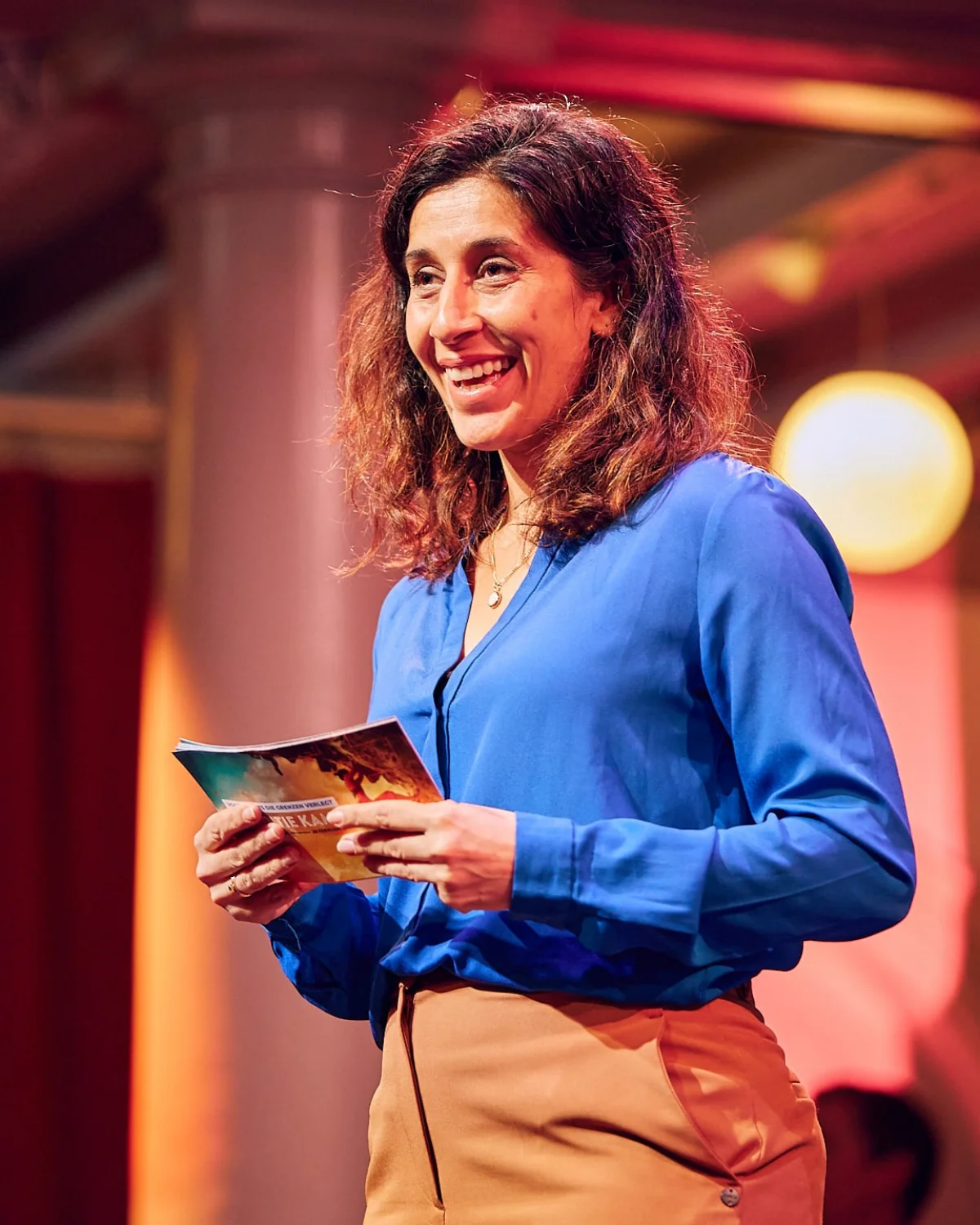
Tamara MarkusWith a pitch video
A knowledgeable, empathetic event chair who brings calm, connection and focus to every event.
Presents in English and Dutch
Across the Netherlands · Host, Engage · Interaction and audience engagement, Communication and presentation
From € 2,500 per half-day, excluding VAT
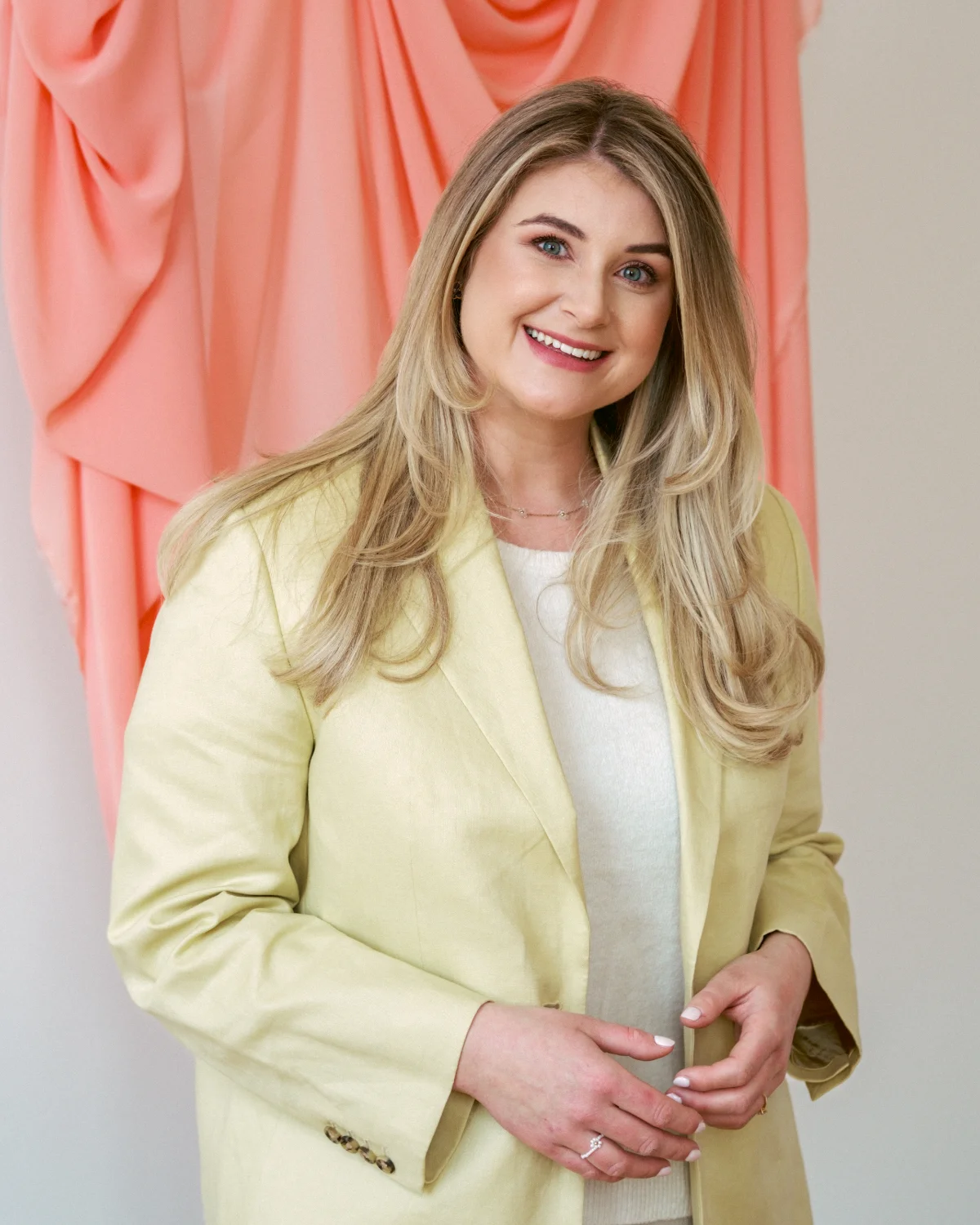
Stevanne van der Velden
Speaker, leadership coach and founder of The Boundaries Bootcamp. Inspires women to take charge and stand up for their boundaries.
Presents in English and Dutch
Across the Netherlands · Speak, Host, Engage · Personal growth, Change and culture
Fee on request
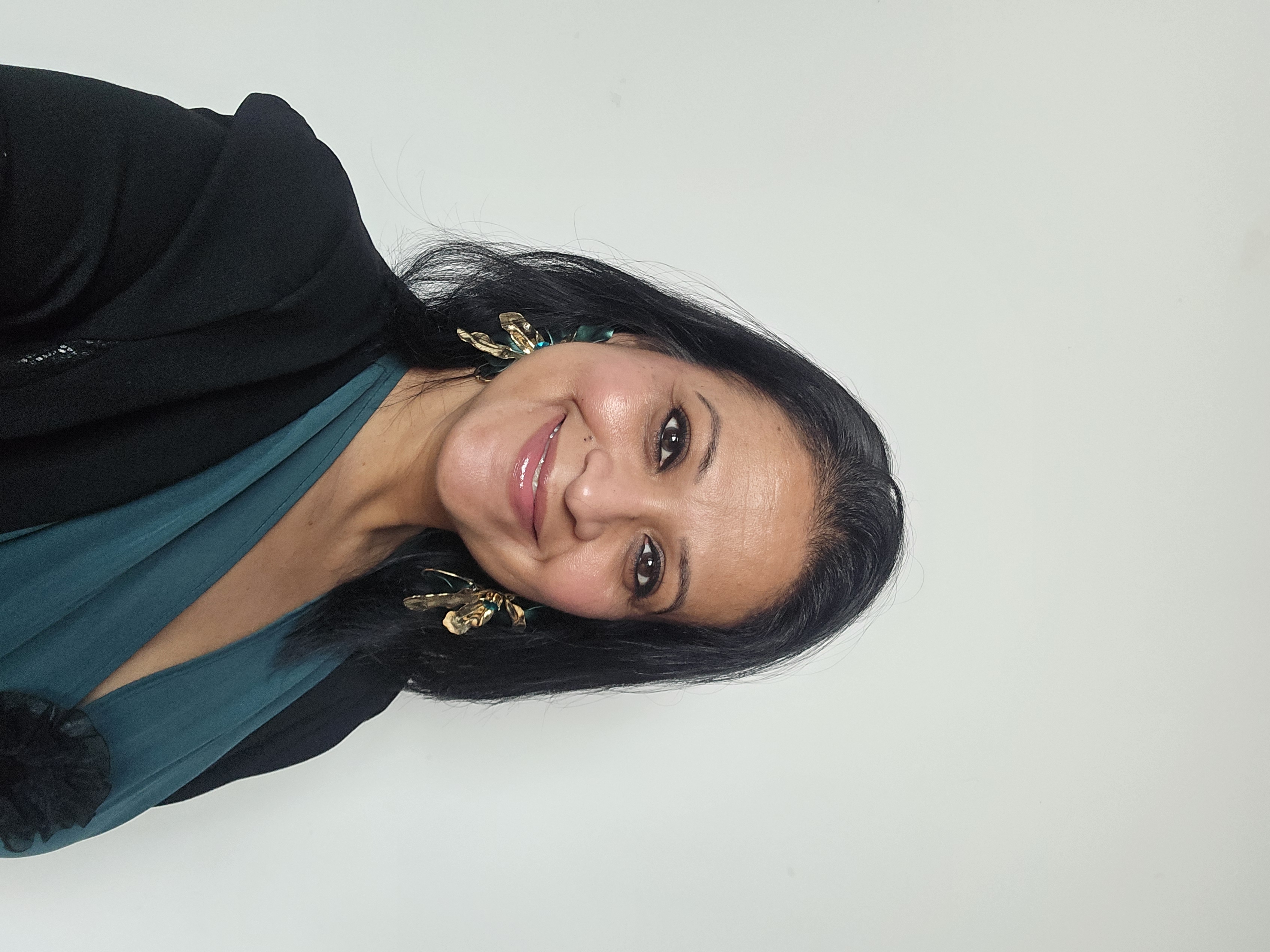
Alison Sof
Integrative therapist, coach and speaker
Presents in Dutch
South Holland · Speak, Host, Engage · Personal growth, Health and vitality
From € 500 per half-day, excluding VAT